
Most marketing advice for pest control companies is about getting more clicks. Clicks do not pay the bills. Recurring customers do.
The ideas below are not theory. They are what one pest control company did to get 90% more new customers from May 23 to October 30 than over the same dates the year before. You can copy them.
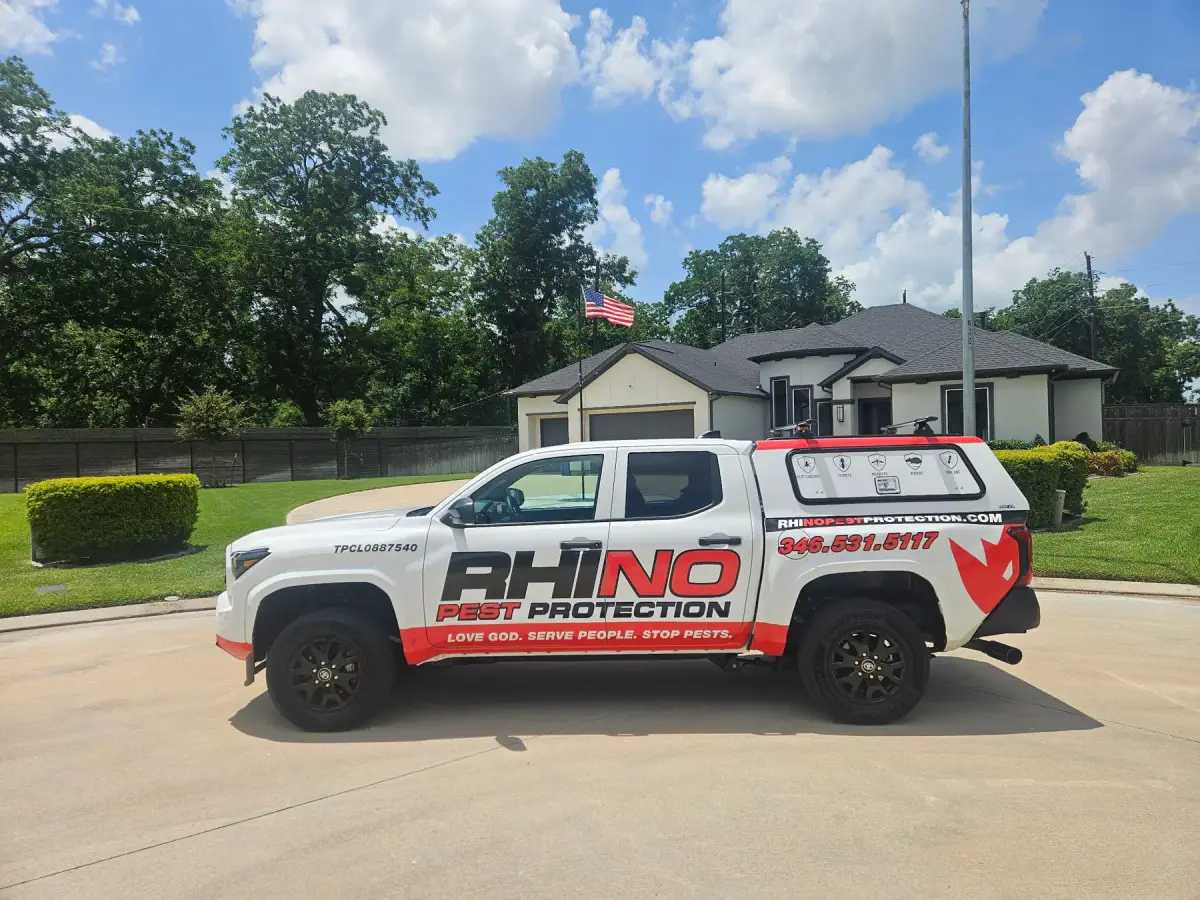
Rhino Pest Protection in Richmond, TX is a PipelineOS client. Here is where their paying customers came from after we rebuilt their website.
Rhino new customers, May 23 to Oct 30
1. A page for every pest you treat
Homeowners search for 'rodent control' or 'termite inspection', not 'pest control services'. One page per pest answers what they ask before they call.
Each page should name the pest, explain the problem, and tell them how you fix it. That matches the search and makes the phone ring.
First step: list every pest you treat and check if each one has its own page.
See how we build these pages in our pest control SEO work.
2. Town pages only for towns you really serve
Map results favor businesses near the searcher. Pages for each real service town help you show up further out.
Do not make thin copies that only swap the town name. Write about the pests common in that town and the neighborhoods you serve.
First step: pick five towns where you already have customers and build one real page for each.
3. Keep your Google Business Profile complete and active
Your Google Business Profile is often the first thing a homeowner sees. Right categories, every service listed, fresh photos, real hours.
Update it when you add a service or change your hours. Post a photo from a recent job now and then.
First step: open your profile and check that every service you offer is listed.
4. Ask every customer for a review after service
Reviews are proof you do good work. A steady flow beats a burst.
Ask every customer after service, not just the happy ones. Make it easy with a text or email link.
First step: set up a simple text or email that goes out after each job asking for a review.
5. Tag every lead source in your CRM
If you do not know where customers come from, you cannot spend wisely. Rhino's office tags where each new customer came from.
That is how they found that ChatGPT brought 24 paying customers. You can do the same in your CRM.
First step: add a required lead source field to your CRM and train your office to use it on every call.
Rhino Pest Protection: paying customers by source
6. Write answers AI tools can quote
More homeowners ask ChatGPT for pest control advice. Clear pages and consistent business details across the web help AI tools quote you.
Write plain answers to common questions like 'how to get rid of ants in the kitchen'. Name your company and service area.
First step: pick three common pest questions and write a short, clear answer for each on your site.
7. Plan marketing around pest seasons
Pests follow a calendar. Your marketing should too.
Plan content before the season hits so you are ready when homeowners start searching.
First step: map out the next three months of pest seasons in your area and schedule one page or post for each.
Here is what homeowners search for by season.
Spring
Ants, termites, mosquitoes
Summer
Wasps, fleas, ticks
Fall
Rodents, spiders, stink bugs
Winter
Rodents, cockroaches, bed bugs
8. Sell the recurring plan on every page
One-time jobs are fine. Recurring plans pay the bills.
Put your recurring plan on every service page and mention it in every quote. Make it the obvious choice.
First step: add a short section about your recurring plan to your top five service pages.
9. Cut back on shared lead sites
Shared leads are sold to several companies. You are bidding against competitors for the same customer.
Owned search traffic is not. When someone finds your site and calls you, that lead is yours alone. The same holds in other trades, as our HVAC lead generation guide explains.
First step: look at what you spent on shared lead sites last month and compare it to what your own website brought in.
10. Keep referral and networking groups in the mix
Referrals and networking still matter. At Rhino, referrals brought 43 customers and BNI brought 22.
Those are real paying customers from relationships, not ads. Keep showing up.
First step: call one past customer or referral partner this week and thank them for their business.
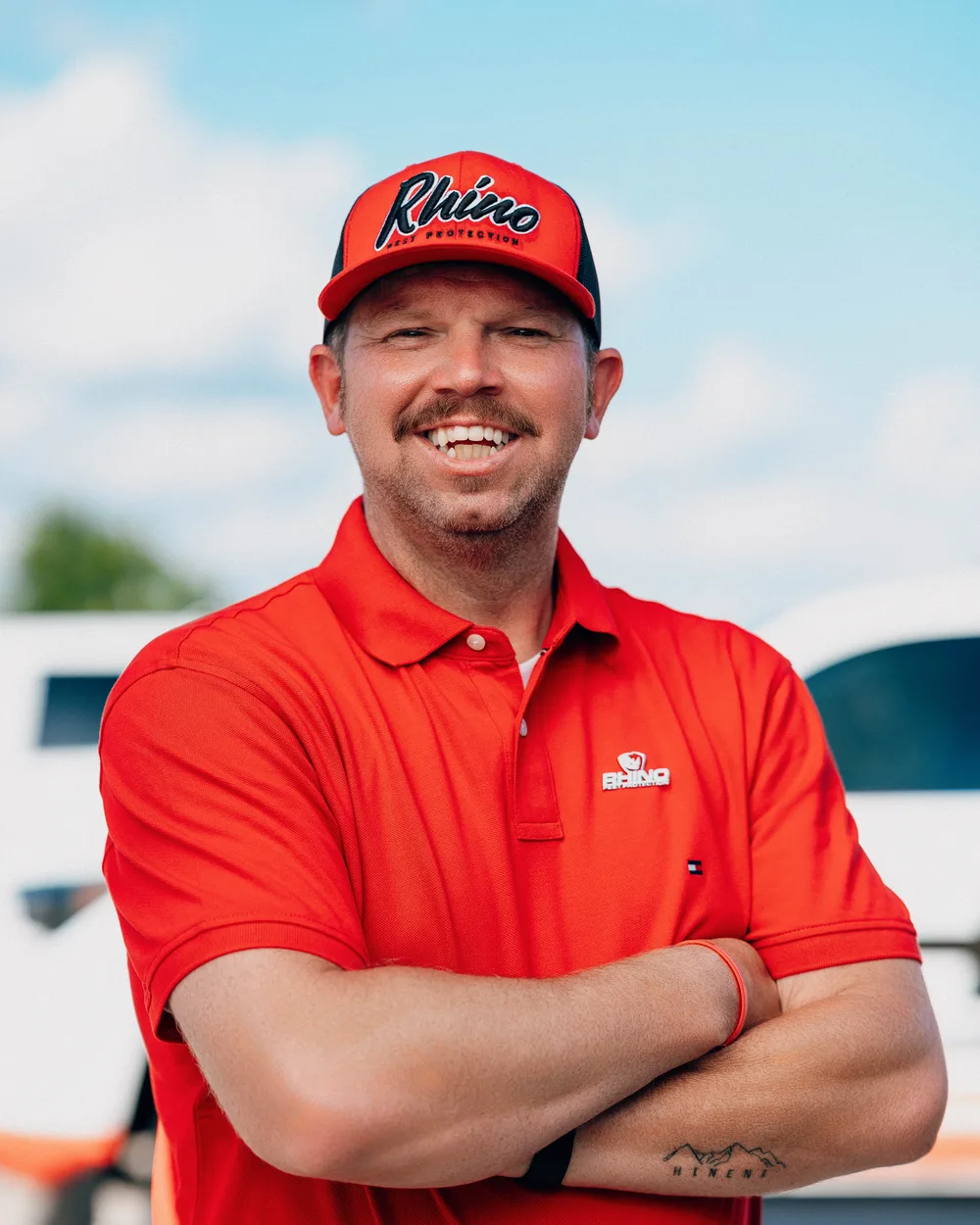
"We had our largest summer growth since we opened in residential service."
11. Show up in Local Services Ads
Local Services Ads sit at the very top of Google with a Google Guaranteed badge. You pay per lead, not per click.
Your reviews and a complete profile help decide where you show up.
First step: check if Local Services Ads are available for pest control in your area and set up a profile.
12. Run Facebook and Instagram ads for your towns
Target homeowners in the towns you serve. Tie the ad to the pest of the season.
At Rhino, Facebook brought 39 paying customers.
First step: pick one town and one seasonal pest and run a small test ad.
13. Email and text past customers before each season
Your past customers already trust you. Remind them before ants or rodents show up.
Ask happy customers to refer a neighbor.
First step: export your past customer list and write one pre-season message.
14. Door hangers and postcards around current jobs
When you treat one home, the neighbors often have the same pest.
Leave a door hanger on the nearby homes or mail postcards to the street.
First step: print a simple door hanger and give each tech a stack.
15. Make your name easy to recognize
Branded trucks and uniforms are ads that drive through your service area every day.
Sponsoring a local team or event puts your name in front of the same neighbors.
First step: look at your trucks and ask if a neighbor could read your name and phone number from across the street.

Written by
Wesley CableFounder & Lead Strategist, PipelineOS
Helping local businesses in the Sacramento region turn their online presence into measurable revenue. Specializing in local SEO, AI search optimization, and lead pipeline systems built on real data.
Connect on LinkedIn